

Submersible NEMA 6, NEMA 6P & IP67 / IP68 Enclosures for Automation & Control Applications
SLAYSON® works with a range of clients providing electrical system protection by manufacturing the most robust NEMA 6, NEMA 6P and IP67 / IP68 Enclosures on the market. With a proud history of working with clients in production lines, car manufacturers, food & beverage and developing solutions for smaller automation control equipment.
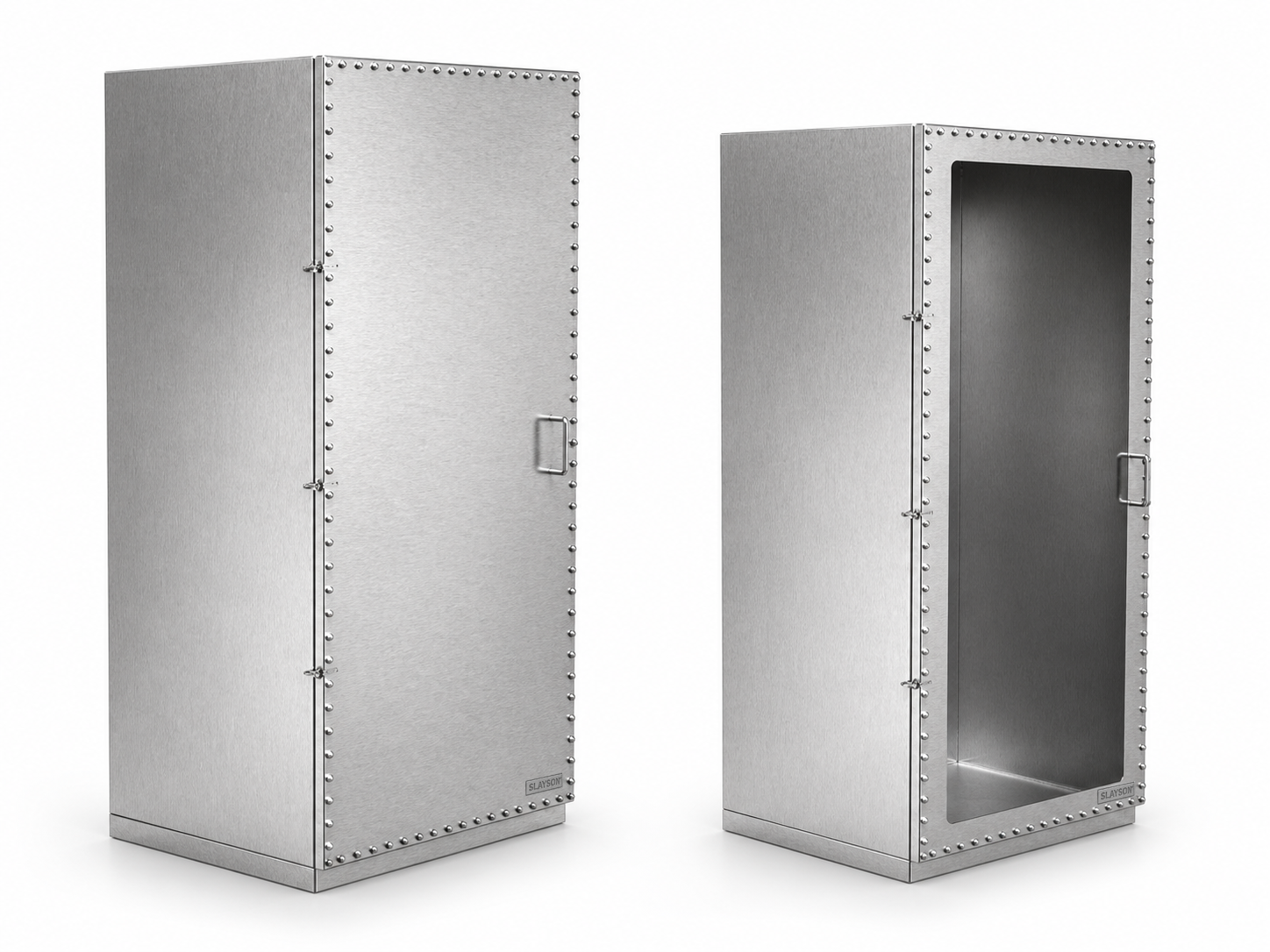
SLAYSON®’s ability to manufacture custom enclosures to meet the clients exact requirements for fit, form and function puts us ahead of the competition. SLAYSON® provides the largest range of NEMA 6, NEMA 6P and IP67 / IP68 enclosures in the USA and world over. SLAYSON® has an extensive standard range to choose from: junction boxes, watershed enclosures and standard submersible enclosures, both wall and floor mounted. Our standard range can be easily modified to suit your needs or SLAYSON® can also provide engineering support for the design and manufacture of custom enclosures to meet your exact requirements.

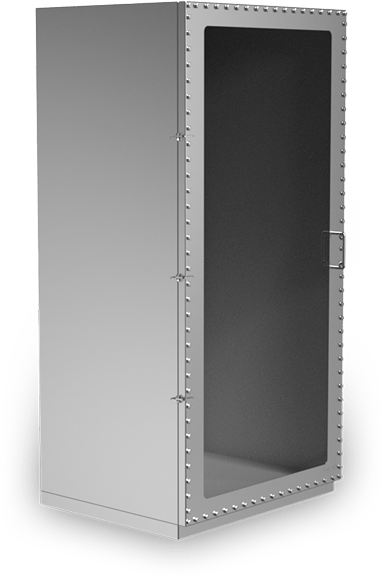
Freestand
Submersible EnclosureSeries:
CSMI
Submersion Depth:
15ft, 5m
Size Range:
36"x 24" to 72"x 24"


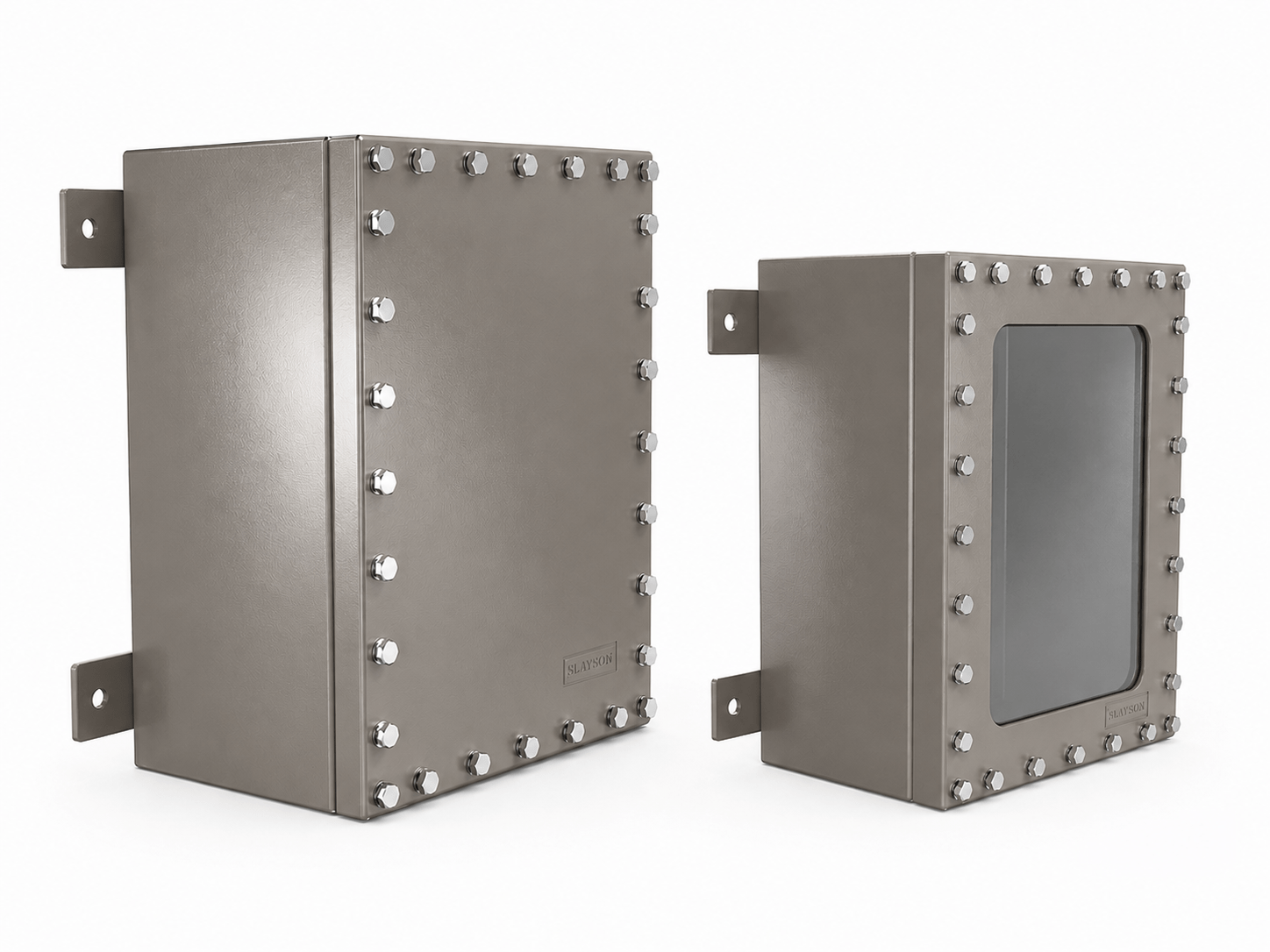

Standard
Submersible EnclosureSeries:
AAGI
Submersion Depth:
15ft, 5m
Size Range:
24"x 14" to 36"x 36"
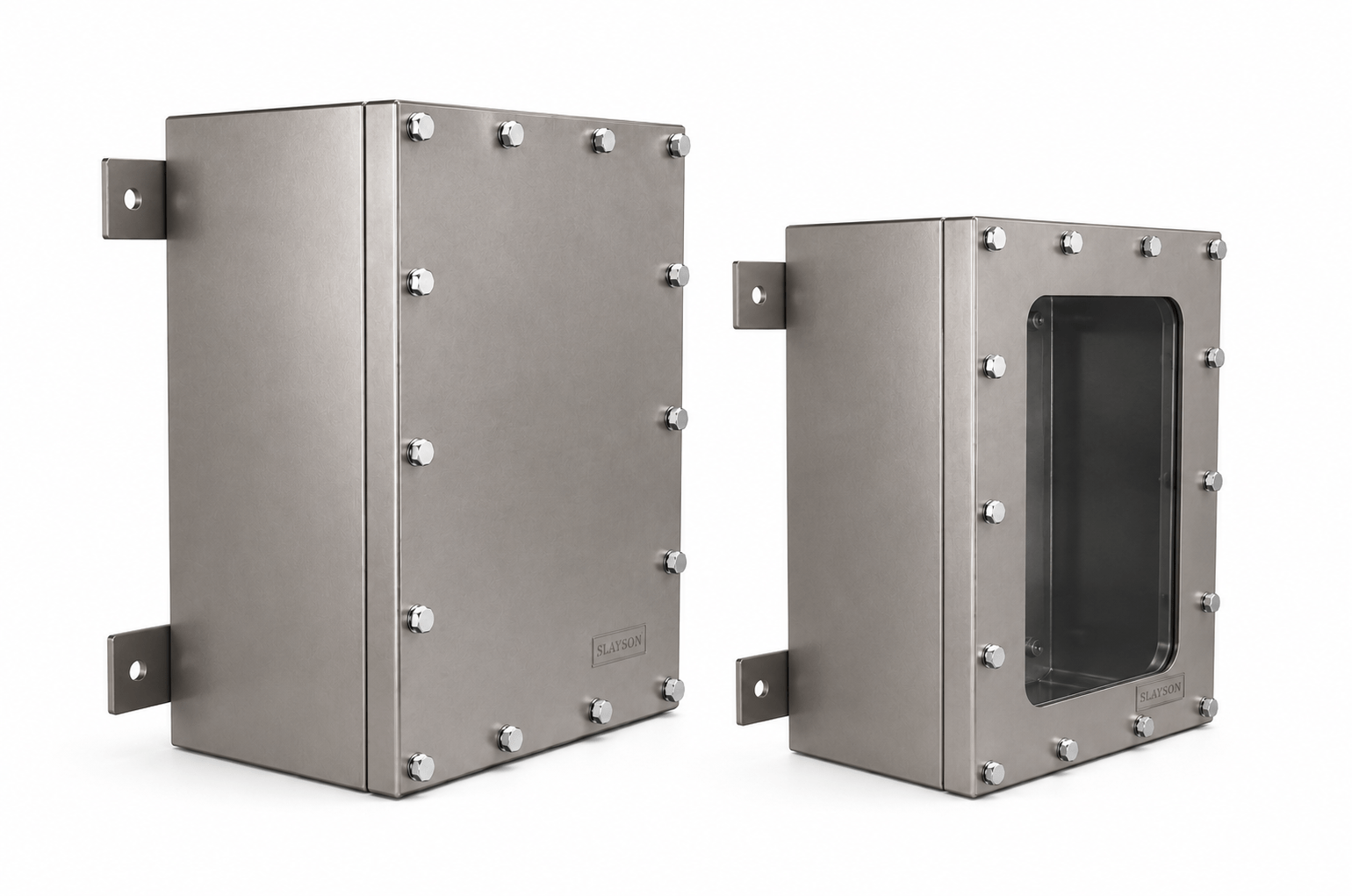
Standard
Waterproof EnclosureSeries:
GAGI
Submersion Depth:
5ft, 1.5m - 24 Hrs
Size Range:
24"x 14" to 36"x 36"


Frequently Asked Questions
Yes. SLAYSON can modify standard enclosures or develop a project specific solution to accommodate specific equipment dimensions, mounting requirements, cable entries, internal layouts, and other fit, form, and function requirements.
Automation and control enclosures may need protection from water and dust exposure, particularly in demanding industrial and manufacturing environments. NEMA 6 and IP67-rated enclosures can provide protection for applications where water exposure and temporary submersion are concerns.
Yes. NEMA 6 and IP67-rated enclosures can be used for automation and control applications requiring protection from water and dust exposure. SLAYSON offers these enclosure options for industrial production, automotive manufacturing, and food and beverage applications.
Automation and control equipment can require enclosures that protect electrical components, control systems, instrumentation, automation hardware, and cable splices from environmental conditions. The appropriate enclosure depends on the equipment and the conditions of the installation.